Understanding Music Copyrights: A Guide for Independent Artists

Introduction to Music Copyrights
For independent artists, understanding music copyrights is crucial to protecting your creative work. Copyrights give you the legal right to control how your music is used and can help you monetize your creations effectively. This guide will break down the essentials of music copyrights and how they apply to you as an independent artist.
What is a Music Copyright?
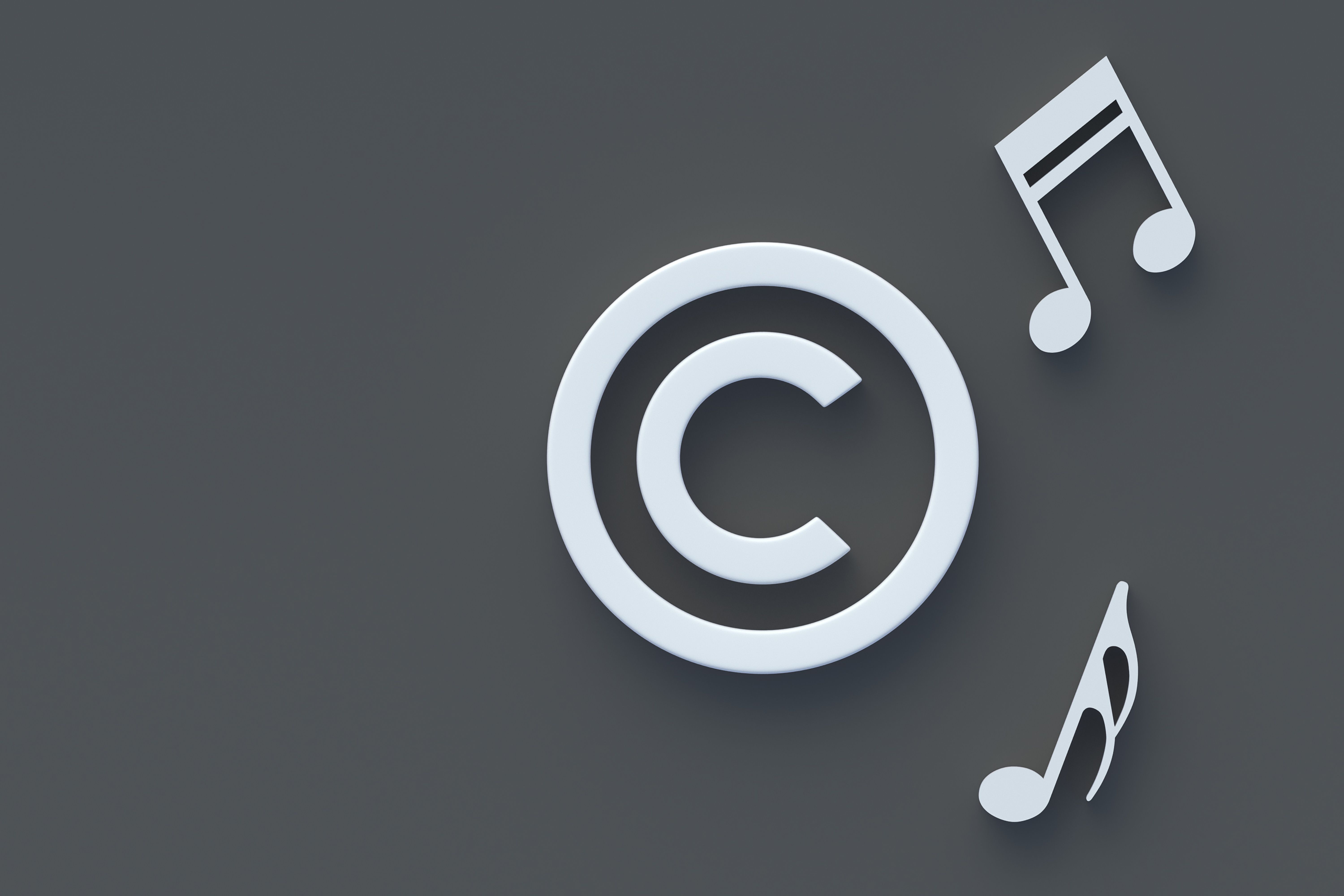
A music copyright grants the creator exclusive rights to their original musical compositions and sound recordings. This means you have control over how your music is reproduced, distributed, performed, and licensed. It's important to know that two types of copyrights exist in music: one for the composition itself, including melody and lyrics, and another for the actual sound recording.
Types of Music Copyrights
Understanding the difference between these two types of copyrights is essential:
- Composition Copyright: Protects the music and lyrics as written by the songwriter or composer.
- Sound Recording Copyright: Covers the specific recorded version of the song performed by the artist.

How to Register Your Copyright
While copyright protection is automatically granted upon creation, registering your work with the relevant authorities provides legal benefits and public record of your ownership. In the United States, for instance, you can register your music with the U.S. Copyright Office. This process is straightforward and can often be completed online.
Steps to Register Your Music
- Prepare your music files and necessary information.
- Visit the copyright office's website and create an account.
- Fill out the registration form and pay the required fee.
- Submit your music files as instructed.
Why Copyright Matters
Copyright protection is vital as it allows you to monetize your music through various channels. It ensures you receive royalties when your music is played on streaming platforms, radio, or used in films and commercials. Moreover, it gives you the legal backing to prevent unauthorized use of your work.
The Role of Performing Rights Organizations
Performing Rights Organizations (PROs) like ASCAP, BMI, and SESAC help artists collect royalties from public performances. By joining a PRO, you ensure that you are compensated whenever your music is played in public venues or broadcasted on media platforms.
Protecting Your Music Online
In the digital age, protecting your music online is more important than ever. Platforms like YouTube and streaming services offer Content ID systems that help identify and manage unauthorized use of your music. Utilizing these tools can help safeguard your work and ensure you receive the compensation you deserve.
Using Digital Tools for Protection
Several digital tools and services are available to monitor and protect your music online. Services like TuneCore and DistroKid not only distribute your music but also offer additional protection features to help you keep track of your rights.

Conclusion
Understanding and managing music copyrights can be complex, but it's a necessary step for any independent artist looking to protect and profit from their work. By taking advantage of copyright registrations, PROs, and digital tools, you can ensure that your music remains your own and continues to generate revenue as you grow your career.