Understanding Music Copyright Laws: A Guide for Artists


What is Music Copyright?
Music copyright is a legal framework that protects the rights of creators over their musical works. This means that when an artist creates a song, they have exclusive rights to use, distribute, and license their work. Understanding these rights is crucial for musicians to protect their creations and benefit financially from them.
Types of Copyright in Music
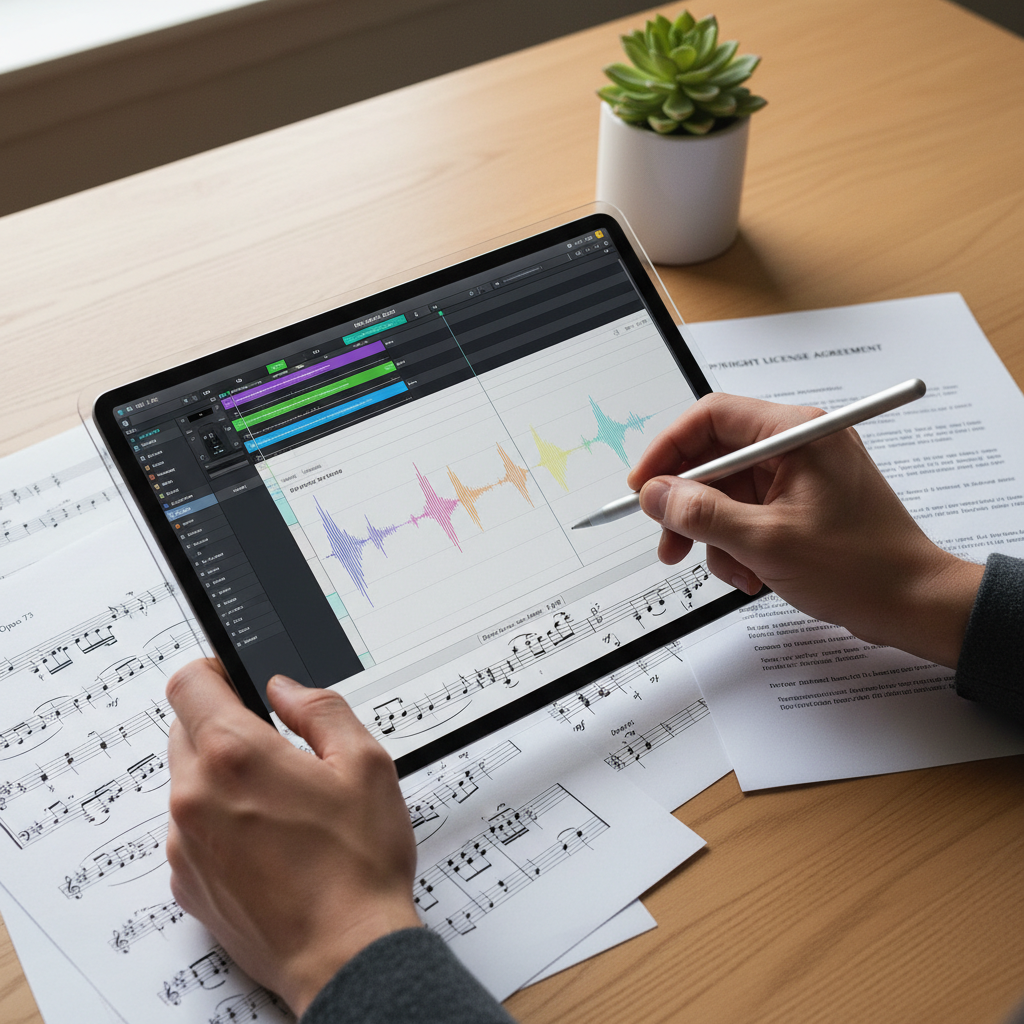
There are primarily two types of copyright in music: composition copyright and sound recording copyright. Composition copyright covers the lyrics and melody, while sound recording copyright applies to the actual recording of the performance. Each type of copyright can be owned separately, which is important to consider when negotiating rights and royalties.
How to Obtain Copyright Protection
Copyright protection is automatically granted to a musical work once it is fixed in a tangible form, such as a recording or sheet music. However, registering with a copyright office can provide additional legal benefits and make it easier to enforce rights in case of infringement.

Understanding Copyright Infringement
Copyright infringement occurs when someone uses a copyrighted work without permission. This can include unauthorized reproduction, distribution, or public performance. Artists should be aware of how their work can be used legally and what actions to take if they suspect infringement.
Licensing and Royalties
Licensing allows others to use a copyrighted work in exchange for compensation. There are different types of licenses, such as mechanical, synchronization, and performance licenses. Understanding these can help artists maximize their earnings through royalties.
Public Domain and Fair Use
Some works fall into the public domain, meaning they are no longer protected by copyright and can be used freely. Additionally, the fair use doctrine allows limited use of copyrighted material without permission for purposes such as criticism, comment, or education. However, fair use is a complex area and often requires legal advice.
International Copyright Considerations
Copyright laws vary by country, but international treaties like the Berne Convention provide some level of protection across borders. Artists planning to distribute their music internationally should familiarize themselves with these treaties to ensure their rights are protected worldwide.
Conclusion
Understanding music copyright laws is essential for artists to safeguard their creative work and ensure fair compensation. By knowing their rights and how to enforce them, musicians can focus on what they do best—creating inspiring music.