
Navigating the Complex World of Music Copyrights: A Guide for Artists


Understanding music copyrights can feel overwhelming for artists. Yet, grasping the essentials is crucial to protect your creative work and ensure you are fairly compensated. This guide aims to simplify the complexities of music copyrights, empowering artists to navigate this landscape confidently.
What is Music Copyright?
Music copyright is a legal protection granted to the creators of original music compositions and recordings. It provides the exclusive right to use, distribute, and reproduce the work. This means that without your permission, others cannot legally use your music for their own purposes.
Copyright protection begins as soon as your music is recorded or written down. It's important to note that there are two types of copyrights in music: one for the composition itself and another for the sound recording.
Types of Music Copyrights
Composition Copyright
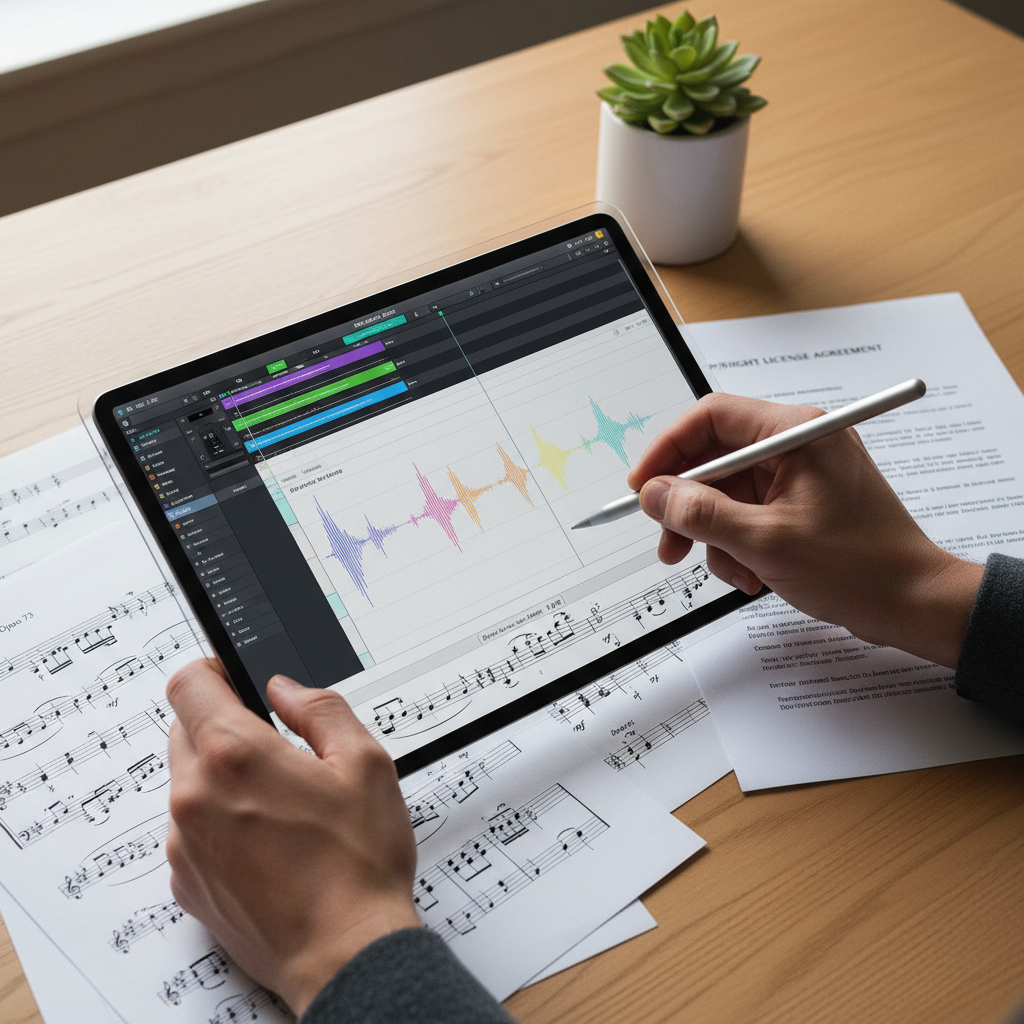
The composition copyright covers the melody, lyrics, and harmony of a piece of music. This protection is typically held by the songwriter and/or publisher. It ensures that the original creators are credited and compensated for their work when it is performed, recorded, or distributed.
Sound Recording Copyright
The sound recording copyright is distinct from the composition copyright and applies to the actual recording of the music. This could be held by the recording artist, band, or record label. This copyright ensures control over the reproduction of the recorded performance.
Registering Your Music Copyright
While copyright protection is automatic, registering your music with the appropriate copyright office can provide additional legal benefits. Registration creates a public record of your copyright claim and is necessary if you ever need to take legal action against infringement.
To register your music, you typically need to provide a copy of the work, fill out the necessary forms, and pay a fee. It's a straightforward process that can save you significant trouble in the long run.
Licensing and Royalties
Once your music is copyrighted, you can start earning money through licensing and royalties. Licensing allows others to use your music legally, often for a fee. There are various types of licenses, such as mechanical, synchronization, and performance licenses.
- Mechanical License: For reproducing your music on CDs, vinyl, or digital downloads.
- Synchronization License: For using your music in films, TV shows, or commercials.
- Performance License: For public performances, whether live or broadcast.
Protecting Your Rights
To safeguard your rights, consider joining a performance rights organization (PRO) like ASCAP, BMI, or SESAC. These organizations help manage your copyrights and collect royalties on your behalf, ensuring you get paid when your music is used.
Additionally, monitoring the usage of your music and taking action against unauthorized use is vital. This might involve sending cease-and-desist letters or pursuing legal action if necessary.
Conclusion
Navigating the world of music copyrights can be daunting, but understanding the basics is essential for any artist. By protecting your work through proper registration, licensing, and vigilant monitoring, you can ensure your creative efforts are recognized and rewarded. Stay informed, and don't hesitate to seek professional advice if needed to safeguard your musical legacy.