Common Misconceptions About Music Licensing


Understanding Music Licensing
Music licensing can be a complex topic, often surrounded by myths and misconceptions. Whether you're a content creator, musician, or business owner, understanding the basics of music licensing is crucial. Let's dive into some common misconceptions and clarify what music licensing truly entails.

Misconception 1: All Music is Free to Use
One of the most prevalent myths is that all music is free to use, especially if it’s easily accessible online. This is far from true. Most music is protected by copyrights, granting the creators exclusive rights. Using copyrighted music without permission can lead to legal consequences.
Misconception 2: Credit is Enough
Many people believe that simply giving credit to the artist is sufficient to use their music legally. However, acknowledging the artist does not replace the need for a proper license. Licensing is the legal framework that ensures artists are compensated for their work.
The Different Types of Licenses
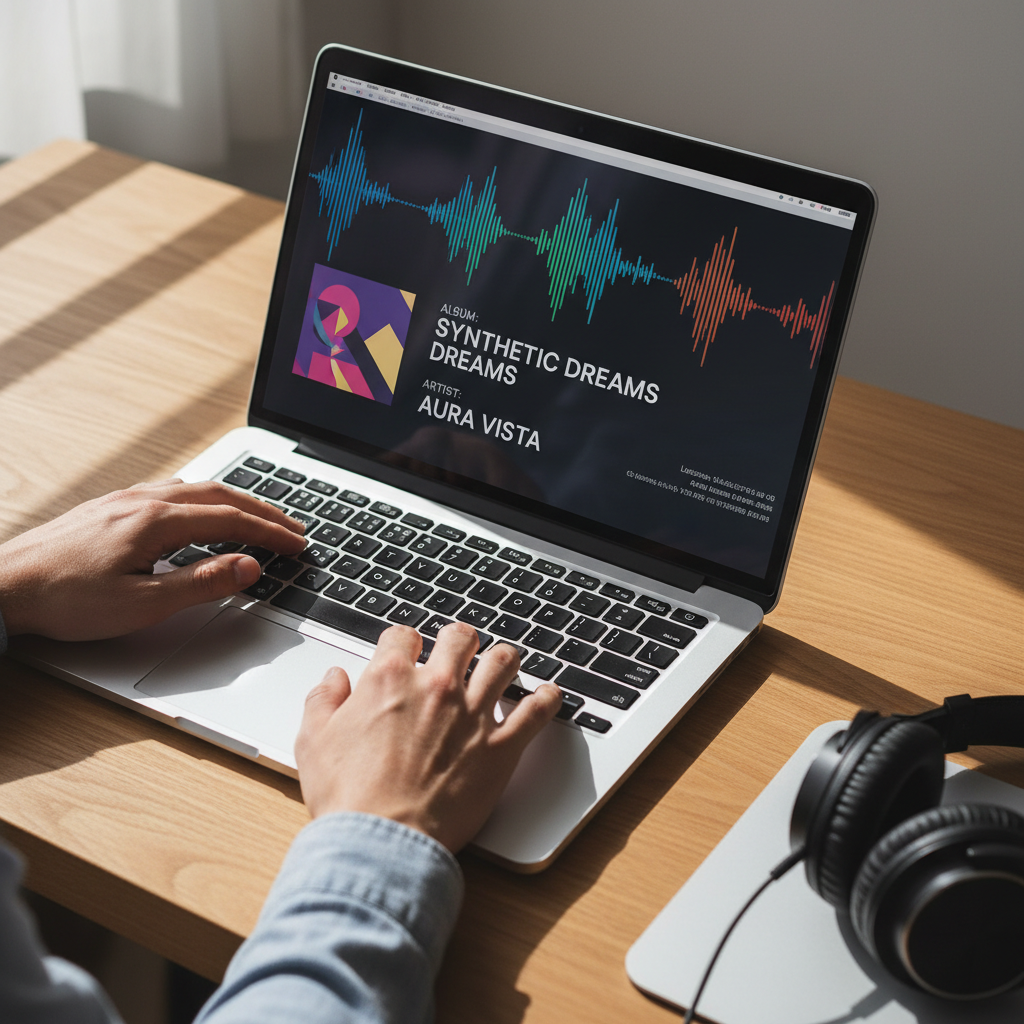
Understanding the different types of music licenses is essential for anyone looking to use music in their projects. Here’s a quick overview:
- Synchronization License: Required when music is used in conjunction with visual media, like films or advertisements.
- Mechanical License: Needed for reproducing and distributing music.
- Public Performance License: Necessary for playing music in public spaces, such as restaurants or radio stations.
Misconception 3: All Licenses are Expensive
While some licenses can be costly, particularly for popular tracks, there are affordable options available. Many platforms offer royalty-free music or subscription-based services, providing a budget-friendly alternative for creators and businesses.

Finding the Right Music License
To find the appropriate license, start by identifying the purpose of the music use. Are you creating a video, hosting an event, or producing a podcast? Each scenario may require a different type of license. Research and consult with licensing experts if needed.
Misconception 4: Royalty-Free Means Free
The term "royalty-free" often leads to confusion. It doesn't imply the music is free of charge. Instead, it means you pay a one-time fee to use the music without ongoing royalty payments. This can be a cost-effective solution, but it's essential to read the terms carefully.
The Importance of Compliance
Complying with music licensing laws not only avoids legal issues but also supports artists and creators. By obtaining the right licenses, you contribute to a fair system that compensates musicians for their hard work and creativity.
In summary, understanding music licensing requires dispelling common myths and learning about the different types of licenses available. By doing so, you ensure legal and ethical use of music, benefiting both your projects and the music creators.